



 Summer is one of the busiest and most demanding seasons in midwest residential construction.
Clients are reaching out with plans for new homes, additions, and renovations. At the same time, we are closing out projects that began nearly a year ago, advancing those that started in the spring, and preparing to start another round before winter.
It creates a perfect storm of active job sites, client decisions, material deliveries, inspections, subcontractor schedules, and unexpected field conditions.
But a busy season should not mean a chaotic process.
Construction will always include some level of unpredictability. A hidden condition may be uncovered. A material may arrive late. Weather can change the schedule. A decision made in one area may affect three others. The goal is not to pretend those challenges will never happen. It is to build a process capable of absorbing them when they do.
When schedules are full and everyone is being pulled in multiple directions, it is easy to focus only on the next urgent issue. However, this is also when consistency matters most. Rather than allowing the pace of the season to dictate how a project is managed, we return to the fundamentals.
We often hear about fundamentals in sports. When the pressure increases, great teams do not abandon the basics. They rely on them. The same principle applies to managing a construction project.
At SG Home Builders, we regularly reset by focusing on three straightforward questions.
What Progress Has Been Made?


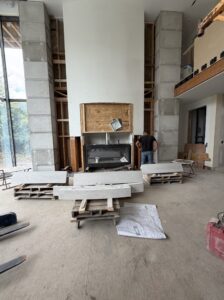
 The first step is reviewing the construction activity that actually took place.
What work was completed? Which trades were on site? What progress was made? Were unexpected conditions uncovered? Did a change affect the schedule, budget, or upcoming work?
A construction schedule is an important guide, but it must always be measured against what is truly happening in the field. Looking backward allows us to confirm progress, address unresolved items, and make sure details are not lost as the project moves forward.
This is also where accountability begins. On-site reviews are imperative to establish a clear and accurate understanding of where the project stands.
What Is Coming Next?
 Next, we look ahead.
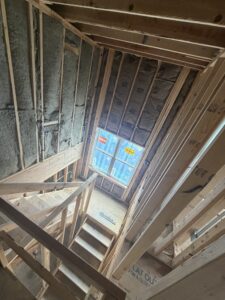
This includes the immediate construction activities planned for the upcoming week, but it also requires us to step back and evaluate the larger project timeline.
Which trades are scheduled next? Are the necessary materials on site? Are inspections required before work can continue? Are selections and approvals complete? Is the project still tracking toward the anticipated completion date? Has something occurred that requires the sequence or expectations to change?
Clients deserve to understand more than what is happening tomorrow. They should also understand how today’s work fits into the larger construction process.
Reviewing both the short-term schedule and the overall timeline allows the team to anticipate conflicts before they reach the job site. It also creates an opportunity to adjust the plan thoughtfully instead of reacting after a problem has already disrupted the work.
What Decisions Need to Be Made?
 Construction projects require a steady stream of decisions.
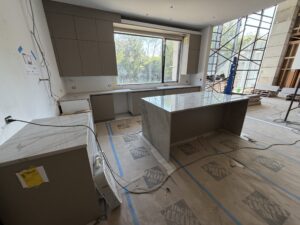
Selections, approvals, design details, material lead times, and field conditions can all affect what happens next. A decision that appears minor may influence several trades or delay work scheduled weeks later.
For example, a plumbing fixture does not affect only the plumber. It may also determine framing, cabinetry dimensions, countertop fabrication, tile installation, and electrical requirements. Waiting until the fixture is needed on site is already too late.
By identifying upcoming decisions early, we can give clients the time and information they need to make thoughtful choices. It also allows our team to order materials, coordinate subcontractors, and protect the sequence of the work.
One of the most valuable questions a prospective client can ask a builder is not simply, “How long will my project take?” It is, “How will you identify and communicate the decisions I need to make along the way?”
The answer can reveal a great deal about how the project will actually be managed.
The Goal Is Not to Eliminate Every Problem
 No builder can guarantee that a construction project will unfold without a single complication. Construction involves existing conditions, weather, municipalities, suppliers, subcontractors, design decisions, and hundreds of details that must come together in the correct order.
The better question is how the team responds when something changes.
Is the issue identified quickly? Does the right person take ownership? Are the effects on the schedule, budget, and surrounding work understood? Is the client given clear information and a realistic path forward?
Strong project management does not mean problems never occur. It means problems are prevented when possible, recognized early, and handled without allowing one disruption to create five more.
Preparing for Chaos Before Construction Begins
 Many of the most important steps in managing a construction project happen before work begins on site.
Our preconstruction process is designed to resolve as many questions as possible while changes can still be made on paper. That includes developing the design, establishing the scope of work, coordinating plans with trade partners, reviewing budgets, identifying long-lead materials, creating a selections schedule, and determining which client decisions must be completed before each phase of construction.
Preconstruction cannot predict every hidden condition or prevent every delayed delivery. It can, however, reduce avoidable surprises and give the team a stronger foundation for responding to the unavoidable ones.
For clients, this means understanding that time spent planning is not delaying the project. It is protecting it.
The most successful projects are not necessarily the ones that encounter the fewest challenges. They are the ones supported by a clear process, an informed client, and a team that knows how to work together when the unexpected happens.
Planning a new home, addition, or renovation? Contact SG Home Builders to learn more about how our thoughtful planning can create a more confident construction experience.